Combating the Cold with Water


Work on the Streif continues unabated, even when temperatures drop well below freezing. While the snow needs water, the teams rely on an extra layer of clothing and plenty of movement to stay warm.
It may be winter, but early-morning temperatures of minus 15 degrees in Kitzbühel are not the norm. Even so, work on the racecourses must continue, despite Jack Frost’s plans to hang around for the next few days. The bitter cold is certainly a challenge for the experienced teams working on the Streif and the Ganslern – covering mountain operations, piste preparation and safety. Still, the general consensus is: “Better too cold than too warm.”
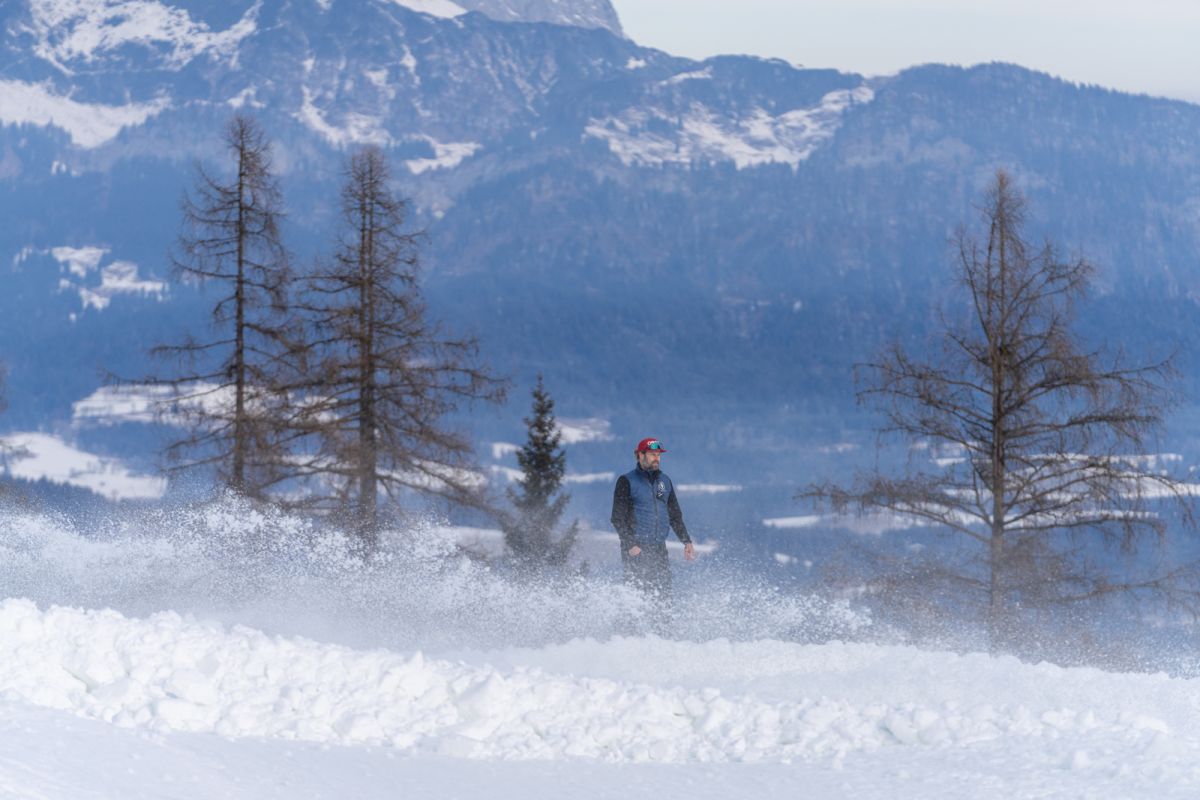
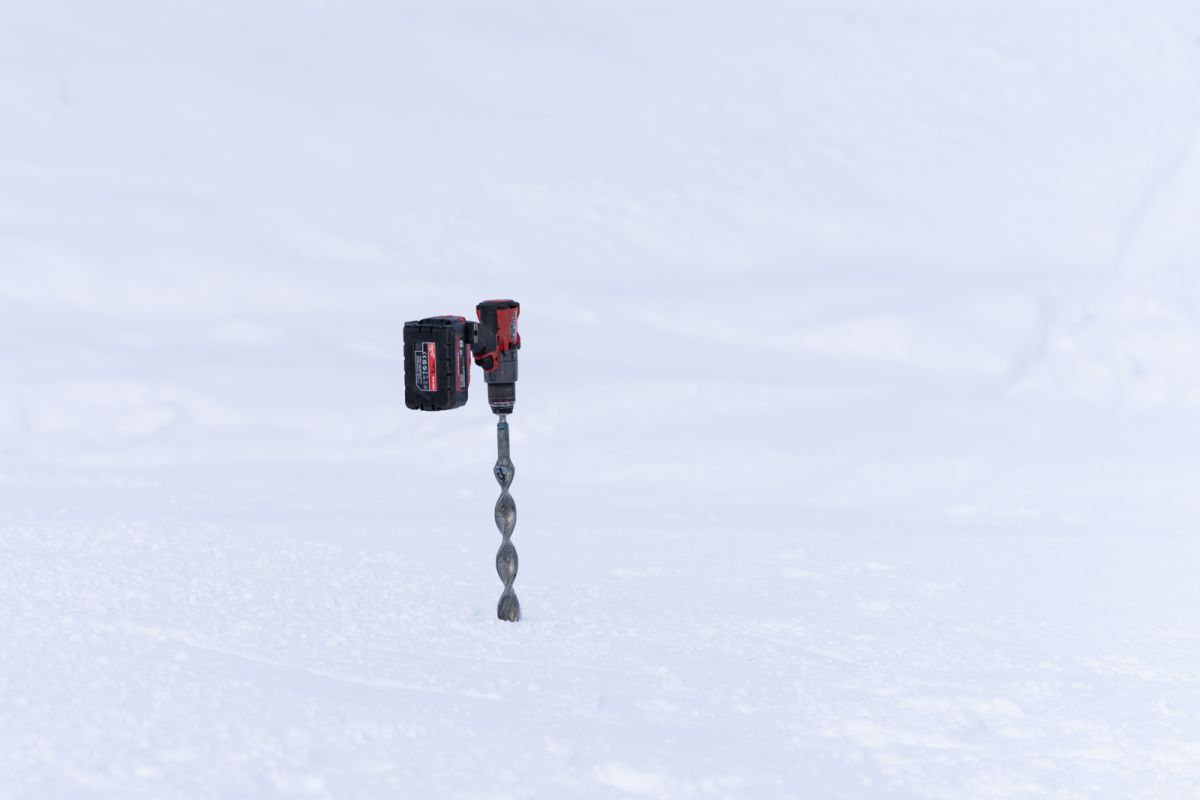
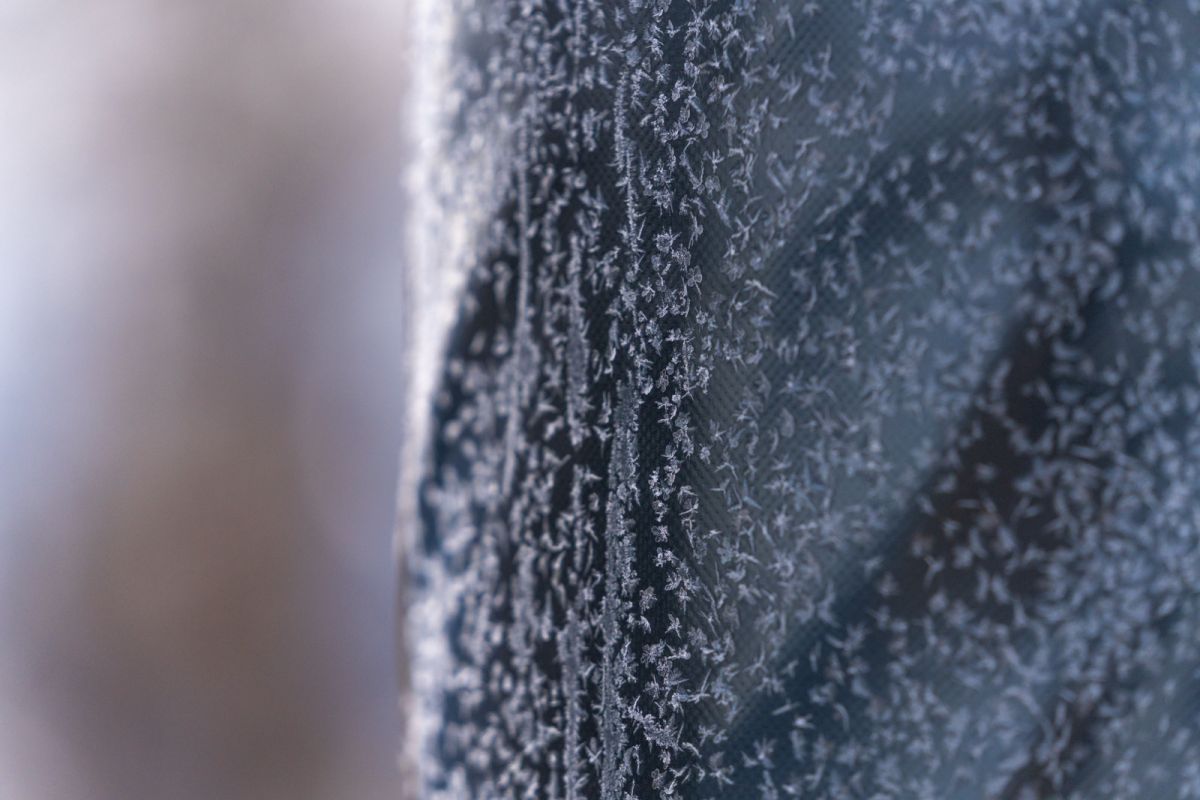
The freezing temperatures don’t faze Toni Ehrensperger from Kitzbühel Ski Club’s mountain team either. “You just put on another layer – and once you’re moving around, you’re fine,” he says. Toni is the man who regularly traverses the Streif with the snow-depth gauge. One can’t help but wonder how the snow itself copes with such cold conditions. “Not quite as well – but it’s not a problem,” Ehrensperger explains. “The cold draws moisture out of the snow, making it brittle and dry. That’s why, at the moment, we have to add more water when distributing the snow. It keeps it moist and makes it easier to work with.”
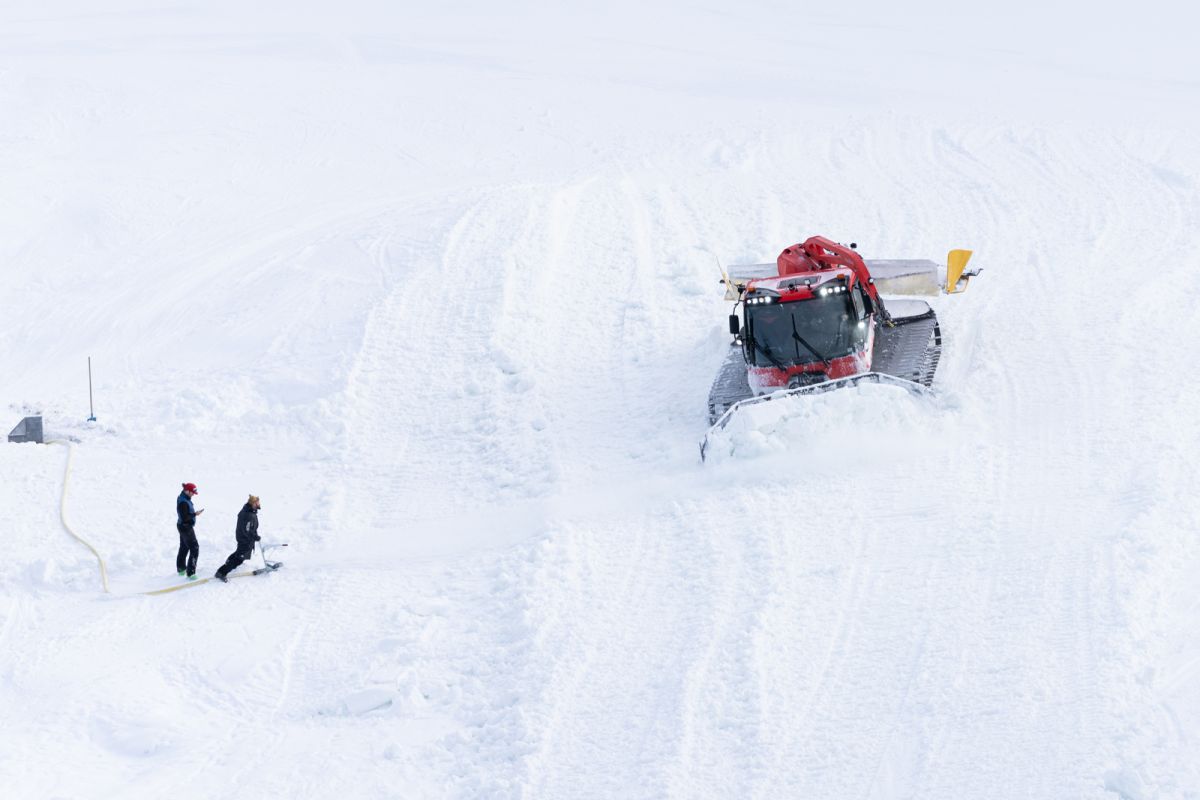
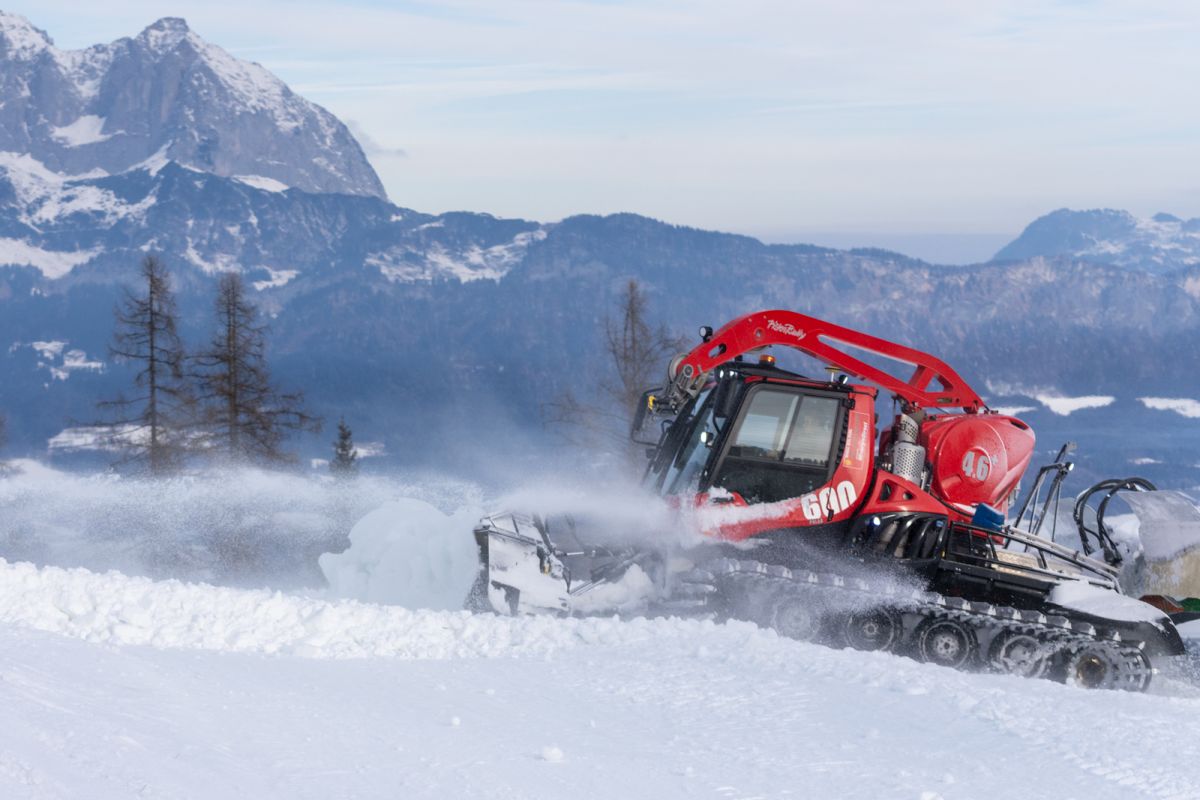
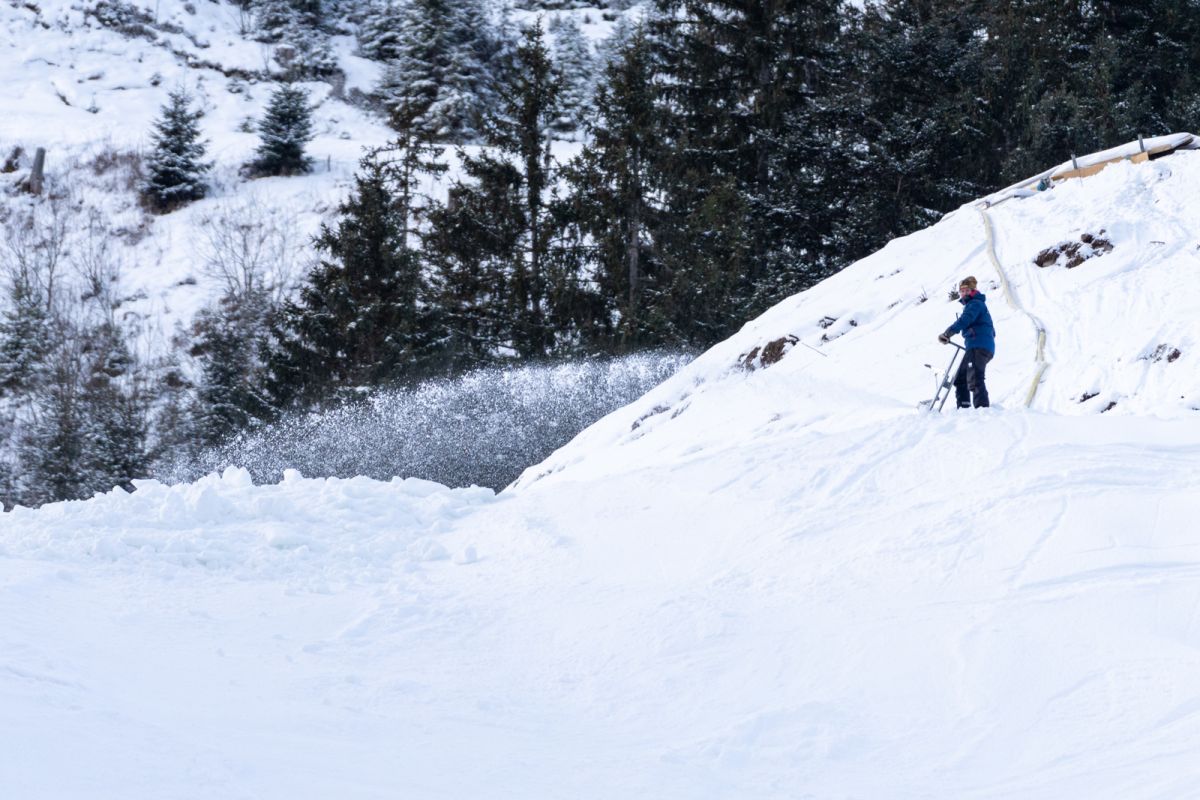
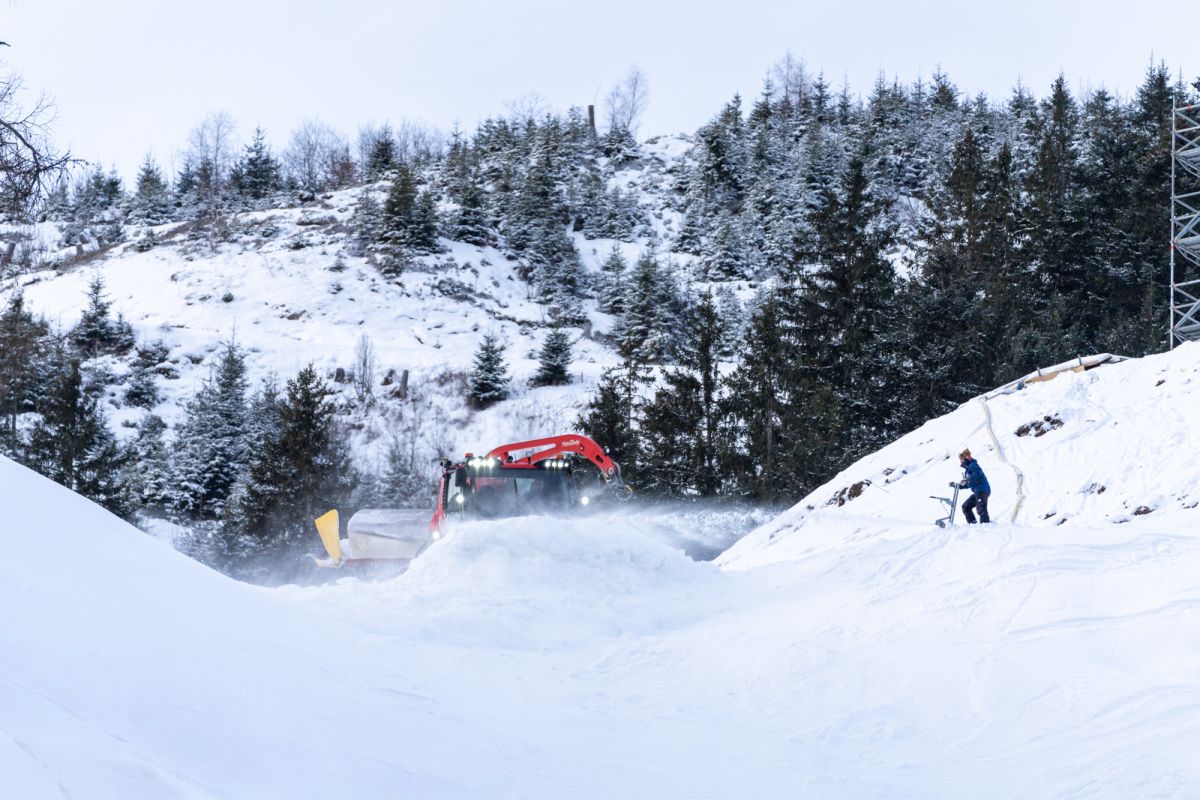
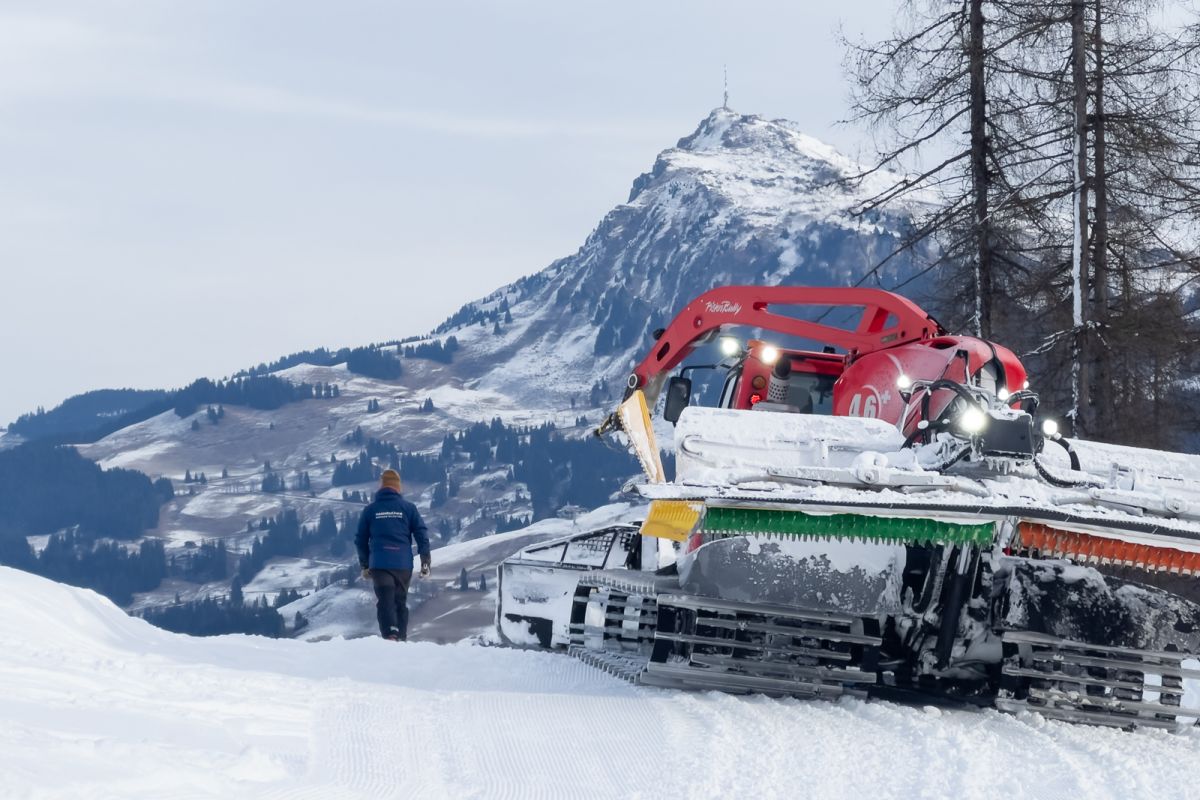
This exact process could be seen on Monday at the Seidlalm section. A piste machine from Bergbahn Kitzbühel was redistributing the snow while members of the piste team were watering it at the same time. “We use a water cannon system to add moisture to the snow – right down to ground level, to prevent weak spots from forming,” says Stefan, who is responsible for the Seidlalm section.
The watering device used for this purpose is a true Kitzbühel invention. Andreas Schipflinger, a trained mechanical fitter and section manager at the Seidlalm, adapted an agricultural slurry spreader for the job – and did so with such skill that he has since built over 40 of them. They are now also used on World Cup courses in Italy, France and the USA. Each cannon weighs between 25 and 30 kilograms. The water flow and spray opening are regulated via a hand-operated brake lever, and the throw distance can reach up to 40 metres. One thing to be avoided at all costs, however, is giving the piste grooming machines an unintentional “shower.”
Tickets for the races on 23, 24 and 25 January are available exclusively via the online shop.
Photo © K.S.C./alpinguin