The World Cup Was Conceived 60 Years Ago in Kitzbühel
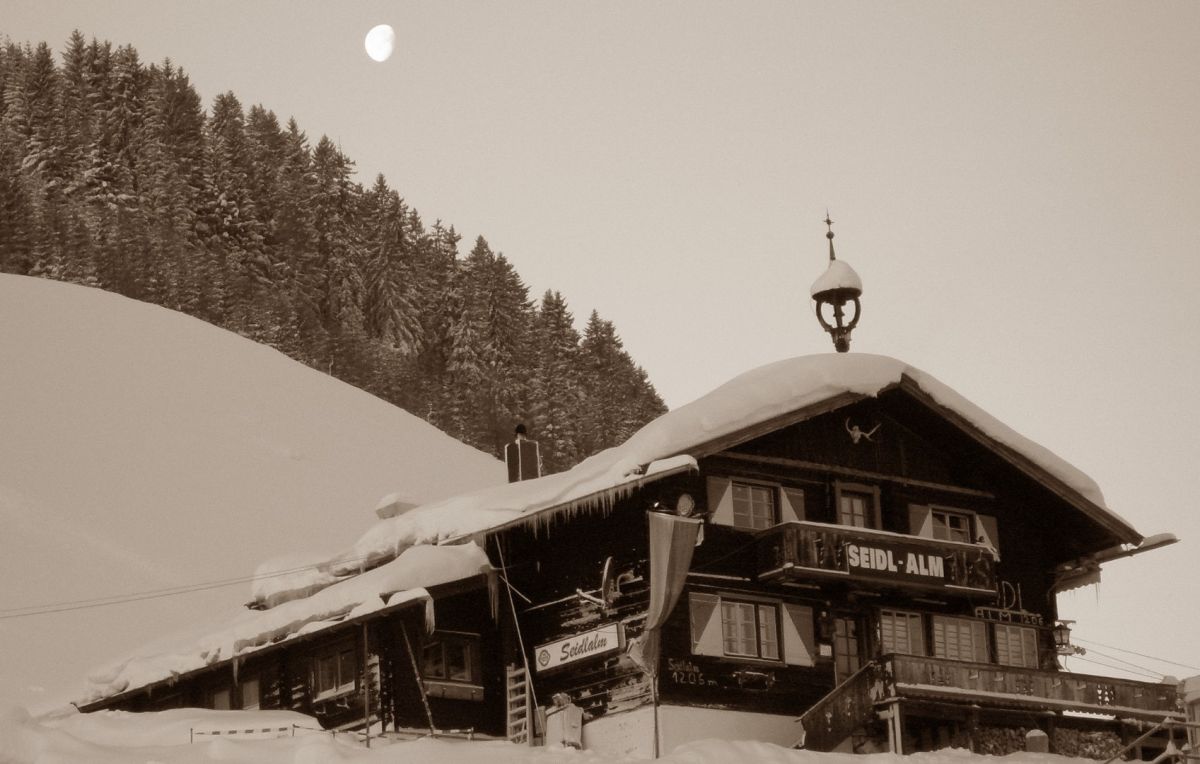
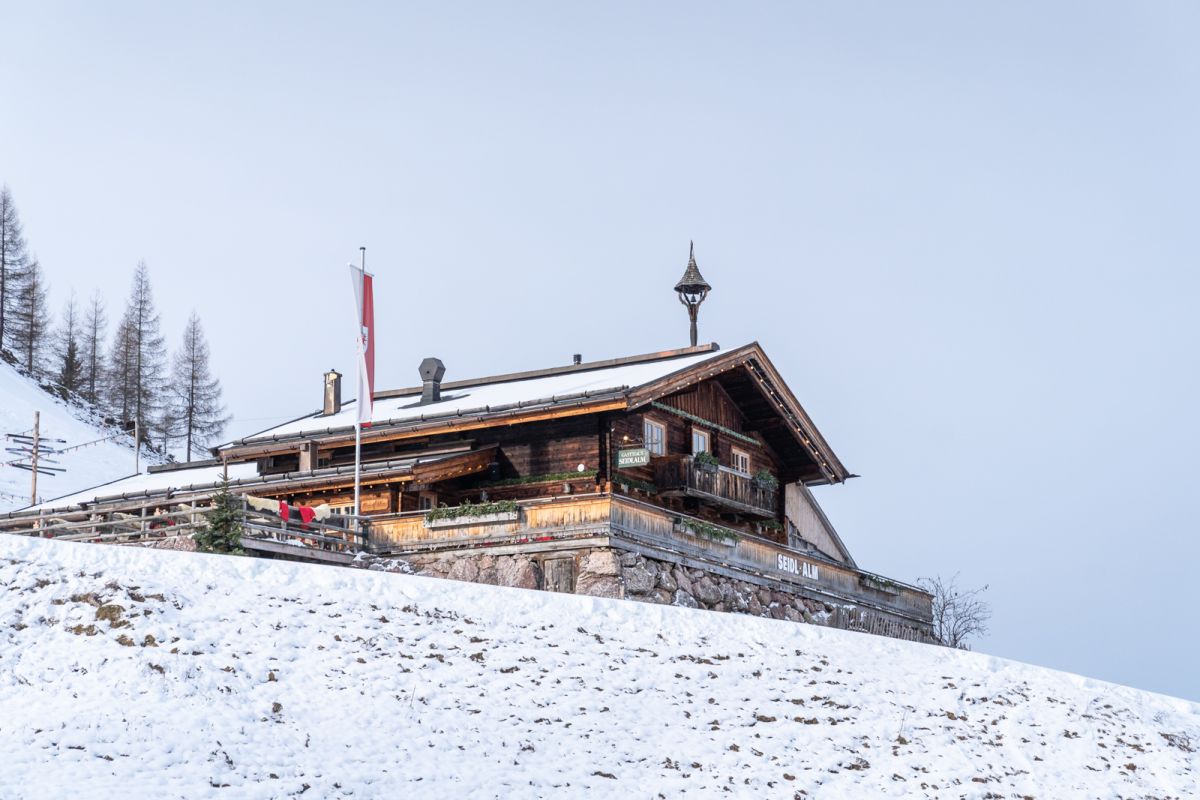
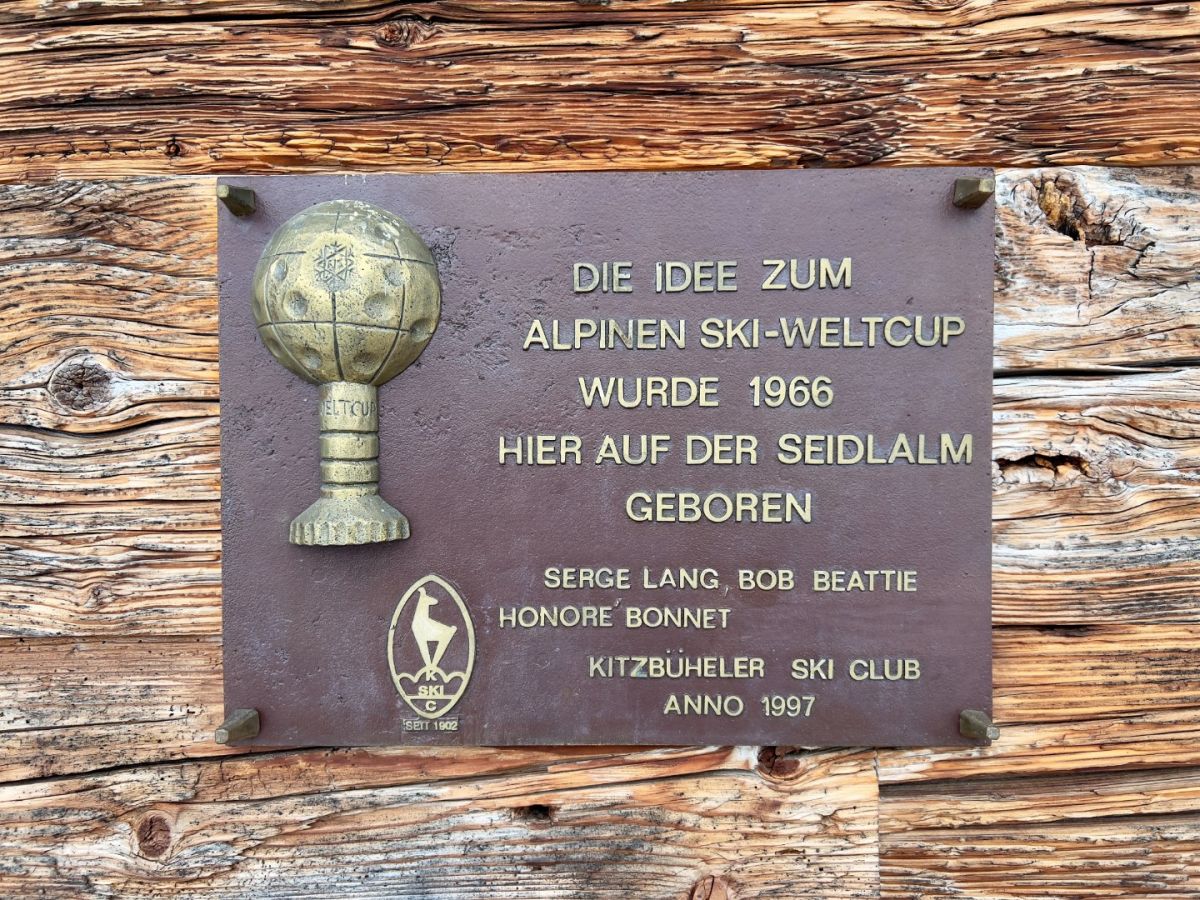
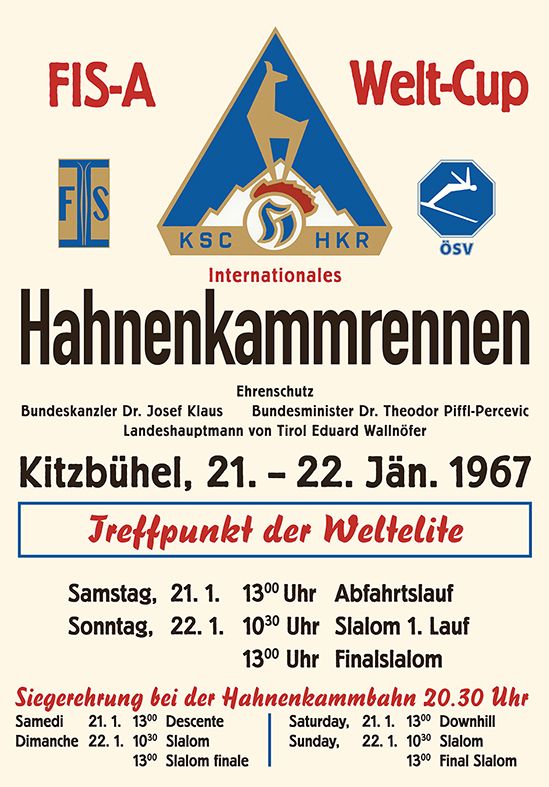
In 1966, at the Seidlalm in Kitzbühel, an idea took shape that would transform alpine ski racing. What had long been a collection of individual events was to become an international race series with a common thread – the World Cup.
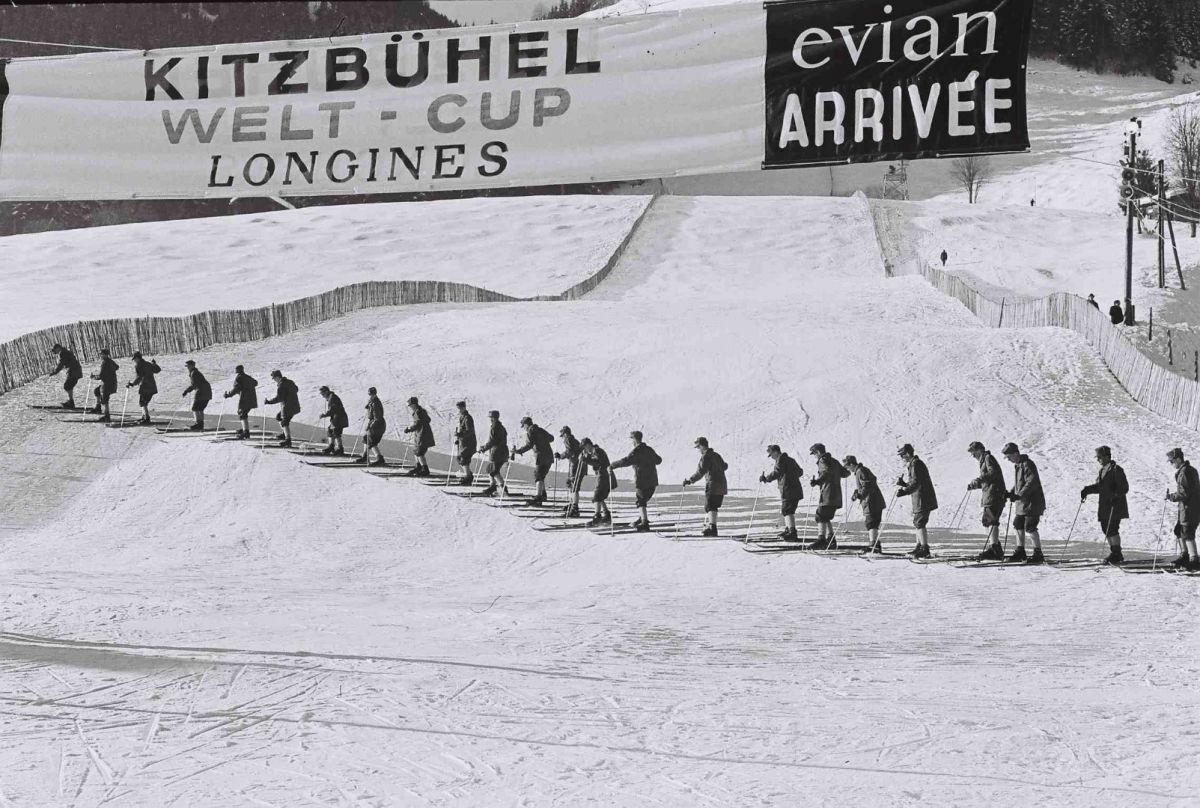
From today’s perspective, the way top-level ski races were organised from the 1930s onwards (the first Hahnenkamm Race dates back to 1931) seems almost unimaginable. For decades, competitions were largely isolated events, each important in its own right. That in no way diminishes the outstanding performances of those early years – far from it. But there was no unified ranking spanning an entire season, no points system allowing athletes to build towards an overall title by winter’s end. Television coverage was also non-existent for some time. If you wanted to follow the action, you needed either a radio or the means to travel to the races themselves. In Kitzbühel, the ORF broadcast races for the first time in 1959 – naturally in black and white. Alongside the Hahnenkamm Races, the most important ski events of that era included the Lauberhorn (since 1930), the Arlberg-Kandahar Races (since 1928), the World Championships (since 1931), and, of course, the Olympic Winter Games (since 1936).
By the mid-1960s, however, efforts to give the international racing calendar a clearer, more binding structure were gathering pace. International comparison events such as the Alpine Cup in Davos and a three-nation competition in Vail already pointed towards a superordinate race series. The call for such a format grew ever louder as skiing became increasingly international. Alongside the traditional European venues, an increasing number of organisers in the USA were keen to host international races. This was a welcome development for the sport, particularly as earlier major events – such as the 1950 World Championships in Aspen or the 1960 Winter Olympics in Squaw Valley – had not initially delivered the hoped-for long-term boost to alpine skiing in North America.
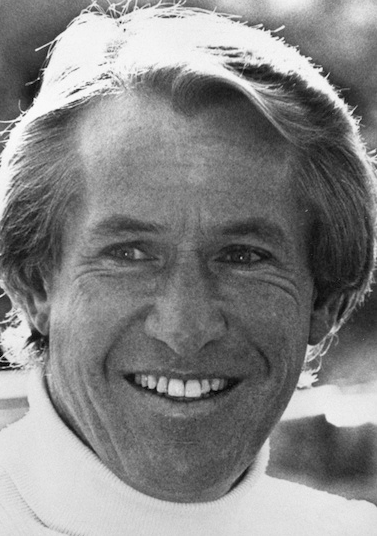
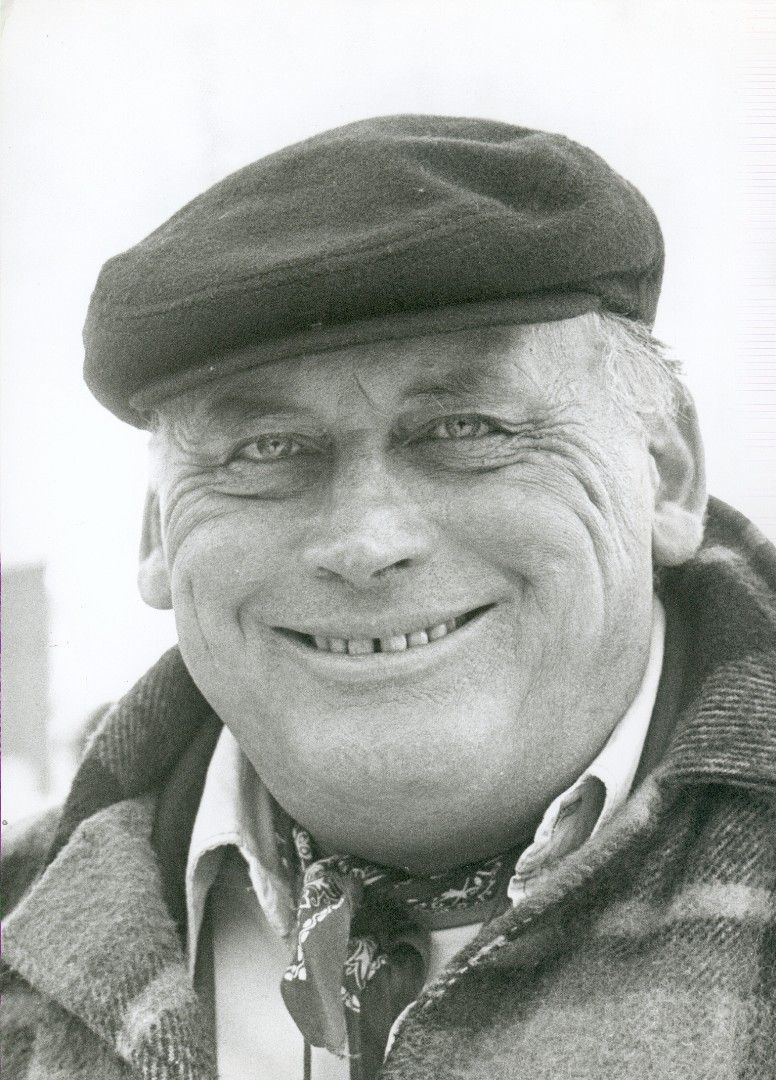
Then came 1966 – and Kitzbühel became the setting for an idea that would leave a lasting mark on the ski world. During Downhill training at the Seidlalm, three men met: the journalist Serge Lang, the French coach Honoré Bonnet, and the US coach Bob Beattie. They discussed Beattie’s proposal to make alpine skiing more attractive by staging a World Championship every year rather than every two. Bonnet, ever the strategist, favoured a different approach: combining multiple races over the course of a season to reduce the luck factor inherent in major one-day events. With an eye on the upcoming football World Cup in England, Serge Lang famously asked: “What if we did a ‘World Cup’ too?” After all, that is exactly what the football tournament is called in English. No sooner said than done.
The initiators hoped this would not only further internationalise the sport but also increase interest and make it easier for fans to follow. Winning the overall World Cup would provide a powerful new incentive for athletes – and crown the best all-round skier of the season across disciplines. The proposal was refined later that year at the summer FIS World Championships in Portillo and formally approved at the subsequent FIS Congress in Beirut.
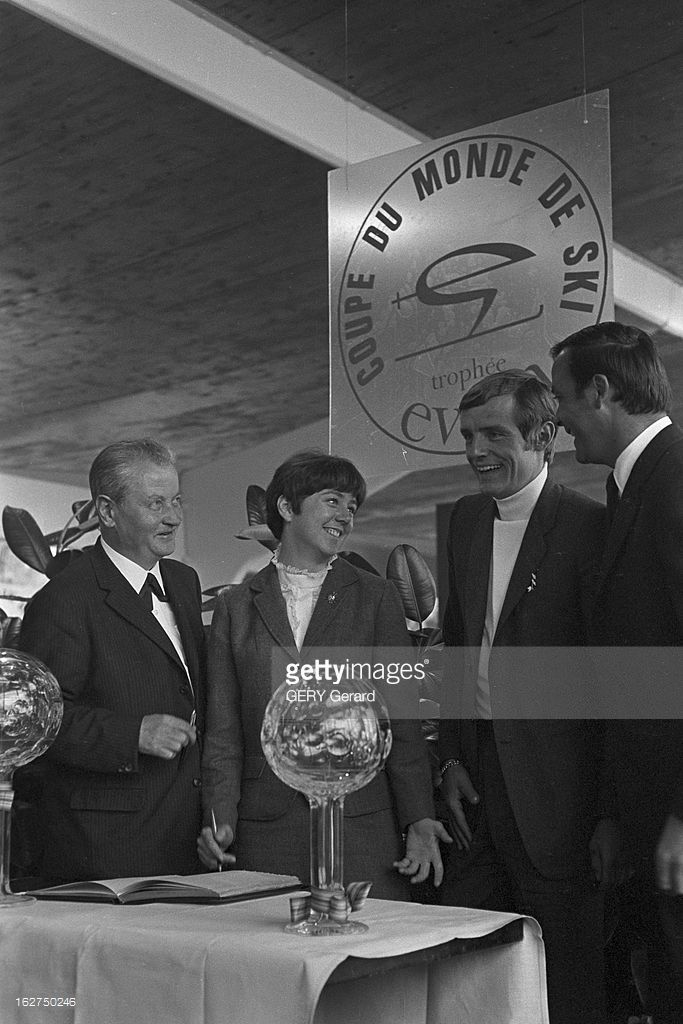
The first Ski World Cup took place in 1967, running from 5 January to 26 March. It comprised the disciplines of Downhill, Giant Slalom and Slalom. The first overall winners were Jean-Claude Killy of France and Nancy Greene of Canada – a double they repeated in 1968. Only from the 1968/69 season onwards did the World Cup begin in December and end in March. Sixty years ago, a season comprised 36 races; today, there are 75. The Super-G was added as a fourth discipline in 1982.
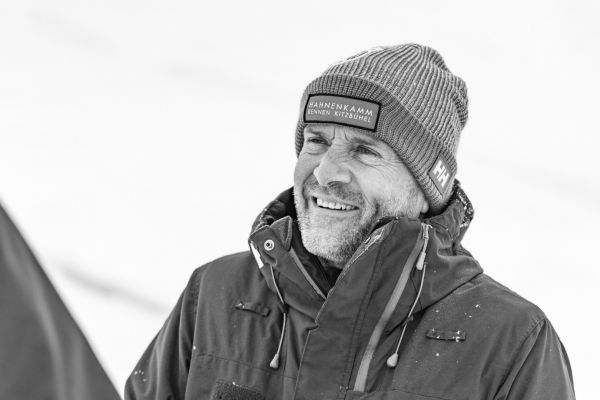
“Kitzbühel is proud to have been a permanent fixture on the World Cup calendar from the very beginning,” says Michael Huber, President of the Kitzbühel Ski Club. He adds: “According to written accounts by World Cup founder Serge Lang, Kitzbühel played a decisive role in the early success of the World Cup – in 1967, spectators in the town were greeted by a banner reading WORLD CUP IN KITZBÜHEL.”
As innovative and significant as the invention of the World Cup at the Seidlalm in Kitzbühel in 1966 undoubtedly was, it did come with one drawback: it marked the beginning of the end for the alpine combined. That discipline finally bowed out in 2016 – in Kitzbühel of all places. Frenchman Alexis Pinturault won that final combined event, becoming the last Hahnenkamm winner in the discipline’s original sense: the best in the combined times from Downhill/Super-G and Slalom.